Chandni Machines Begins Aluminium Ingot Project at Kuvada GIDC, Rajkot
 📅 September 19, 2026
⏱ 5 min read
Description:
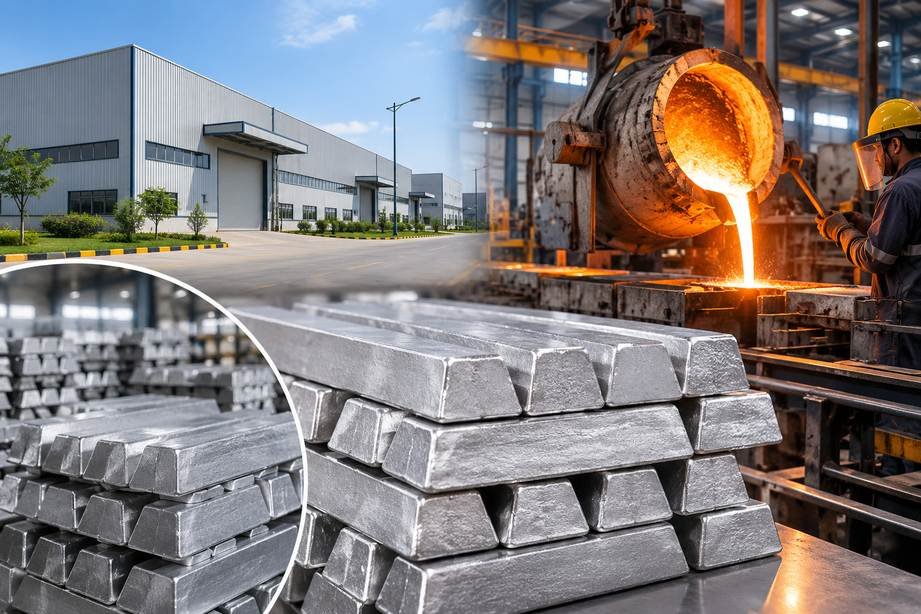
Chandni Machines Limited has started implementation of a new aluminium ingot manufacturing project at Kuvada GIDC in Rajkot. The company has taken an industrial facility of around 22,000 sq. ft. and plans to begin trial production in September 2026, followed by commercial production from October 1, subject to required approvals and commissioning.
Rajkot, Gujarat: Chandni Machines Limited has commenced implementation of a new aluminium ingot manufacturing project at Kuvada GIDC in Rajkot, Gujarat, marking a new phase in the company’s business expansion and diversification plans.
The BSE-listed company has taken significant steps toward establishing its aluminium manufacturing operations at the industrial estate. As part of the project, Chandni Machines has leased an industrial factory building covering approximately 22,000 square feet at Kuvada GIDC. The facility currently has an electricity connection of around 37 KW, according to the company’s disclosure.

The project involves an estimated machinery and equipment investment of approximately ₹1.50 crore. The company has already placed orders for the required machinery and equipment and made the necessary payments. Machinery deliveries were scheduled to begin in early September, with installation and deployment targeted for completion around September 20, 2026.
Trial Production Targeted for September
Chandni Machines has announced plans to commence trial production around September 20, 2026, followed by the targeted start of commercial production from October 1, 2026.
However, the proposed production schedule remains subject to completion of machinery installation and commissioning, as well as receipt of the necessary statutory and regulatory approvals. The company has applied for the required Consent to Operate from the relevant pollution-control authorities.
The commissioning phase will be an important step for the company as it transitions from project implementation to actual manufacturing operations. Initial production is expected to focus on establishing stable operations, testing equipment performance and gradually achieving the targeted production capacity.
Proposed Capacity of Around 300 Tonnes Per Month
Once the facility reaches stable operations, Chandni Machines expects the plant to have a production capacity of approximately 300 tonnes of aluminium ingots per month.
Based on the company’s current internal estimates, the facility could generate approximately ₹9.45 crore in monthly revenue once the targeted production level is achieved. The company has also estimated potential monthly net profit of around ₹50 lakh after operations stabilise.
These figures are projections provided by the company and are dependent on several factors, including aluminium prices, raw-material costs, production volumes, product realisations, operating expenses, customer demand and overall market conditions. Therefore, actual revenue and profitability may differ from the estimates.
Employment and Infrastructure Development
The project is also expected to create additional industrial employment opportunities in the Rajkot region. Chandni Machines has already engaged around 30 contractual workers for production-related activities, with additional manpower expected to be deployed as production requirements increase.
The company has also started construction of workers’ accommodation and washroom facilities. The proposed workers’ quarters are expected to provide accommodation and essential facilities for approximately 50 workers.
The development of these facilities alongside the manufacturing infrastructure indicates that the company is preparing the project for regular production operations once commissioning and regulatory requirements are completed.
Expansion Plans Under Evaluation
Beyond the initial production phase, Chandni Machines is also evaluating a potential two-fold expansion of the proposed capacity by March 2027.
The possible expansion will depend on the performance of the initial manufacturing operation, market demand, availability of resources, regulatory approvals and future investment requirements. If implemented, the expansion could increase the company’s manufacturing scale and strengthen its participation in the aluminium and broader non-ferrous metals value chain.
Strategic Diversification Into Aluminium Manufacturing
The Rajkot project represents a diversification move for Chandni Machines as the company expands into aluminium ingot manufacturing.
The establishment of a dedicated manufacturing facility at Kuvada GIDC gives the company a physical production base in Rajkot, an important industrial centre in Gujarat with an established engineering and manufacturing ecosystem.
The company’s immediate focus is expected to be on completing machinery installation, obtaining the required approvals, commissioning the facility and establishing consistent production. Following the commencement of commercial operations, the company will need to build customer relationships, manage raw-material sourcing and achieve the targeted capacity utilisation to realise its projected financial potential.
Focus on Commercialisation and Scale-Up
With trial production targeted for September 2026 and commercial production planned from October 1, the coming months are expected to be an important operational phase for Chandni Machines.
The company’s disclosed plan combines an initial manufacturing capacity of around 300 tonnes per month with a possible future expansion. The management has indicated that the aluminium ingot business could provide a platform for further growth, subject to successful execution and market conditions.
The project’s progress will depend on timely completion of commissioning activities, statutory approvals, production stabilisation and the company’s ability to establish demand for its aluminium products.
Chandni Machines has stated that its production, revenue, profitability and expansion expectations are forward-looking estimates. Actual performance and timelines could vary due to regulatory requirements, commissioning issues, raw-material availability and prices, aluminium-market conditions, customer demand, operating costs and other business factors.
Source: Company disclosure dated August 31, 2026, as reported through corporate-news/press-release channels.