India’s Space-Tech Dream Gets Its First Unicorn
 📅 July 31, 2026
⏱ 2 min read
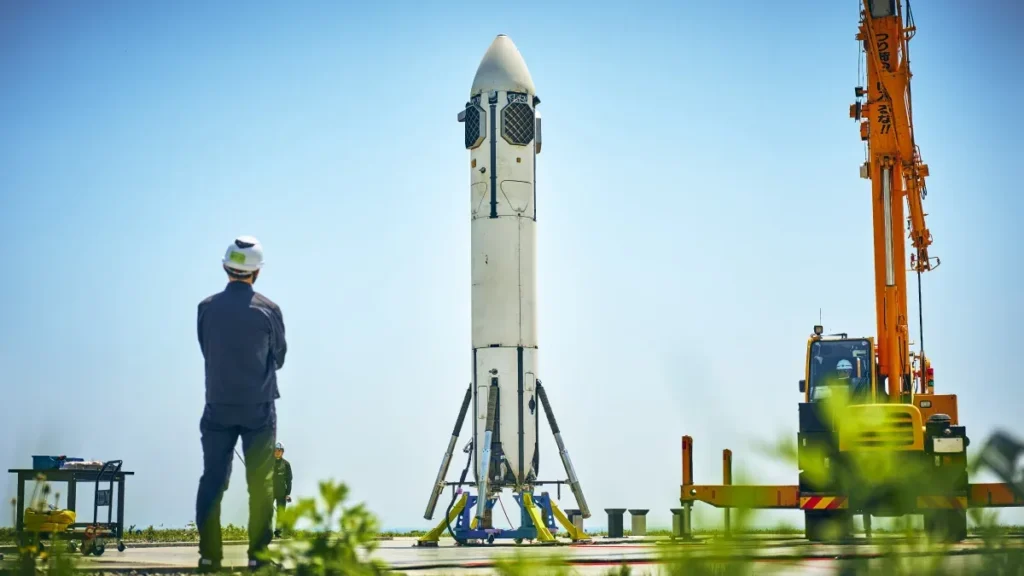
Skyroot Aerospace has become India’s first space-tech unicorn, a milestone that arrives just as the company prepares for a major orbital launch. Founded in 2018 by former ISRO engineers Pawan Kumar Chandana and Naga Bharath Daka, Skyroot builds small satellite launch rockets broadly comparable to those made by leading US private space companies. The timing is notable: Skyroot’s upcoming Vikram-1 mission comes as India tries to build commercial launch capacity alongside state-run ISRO, which has faced setbacks including two consecutive launch failures. India’s space economy is currently estimated at $8.4 billion and is projected to grow to $44 billion by 2033, with nearly 400 space-tech startups now operating in the country. Skyroot’s rise is a signal that India’s private space sector — long overshadowed by the government space program — is finally becoming investable at scale. TechCrunch + 2
Skyroot isn’t alone at the top of India’s 2026 unicorn class. Sarvam AI reached unicorn status in June after raising $234 million at a $1.5 billion valuation led by HCLTech, building full-stack AI models across 22 Indian languages for banking, government, healthcare and telecom clients — a platform that reportedly handles 2 million conversations and 10 million API calls every day. It’s part of a broader pattern this year: enterprise AI platform Emergent recently became the sixth Indian startup to enter the unicorn club in 2026, following payments company Juspay’s entry earlier in the year. As of July 2026, India’s 132 unicorns have collectively raised over $119 billion and now command a combined valuation exceeding $394 billion — though the pace of unicorn creation has slowed from the frenzy of prior years, as investors have grown more selective and founders have doubled down on fundamentals over hype.