He Mortgaged His Mother’s Jewelry to Save His Restaurant — Then Turned It Around
 📅 July 31, 2026
⏱ 2 min read
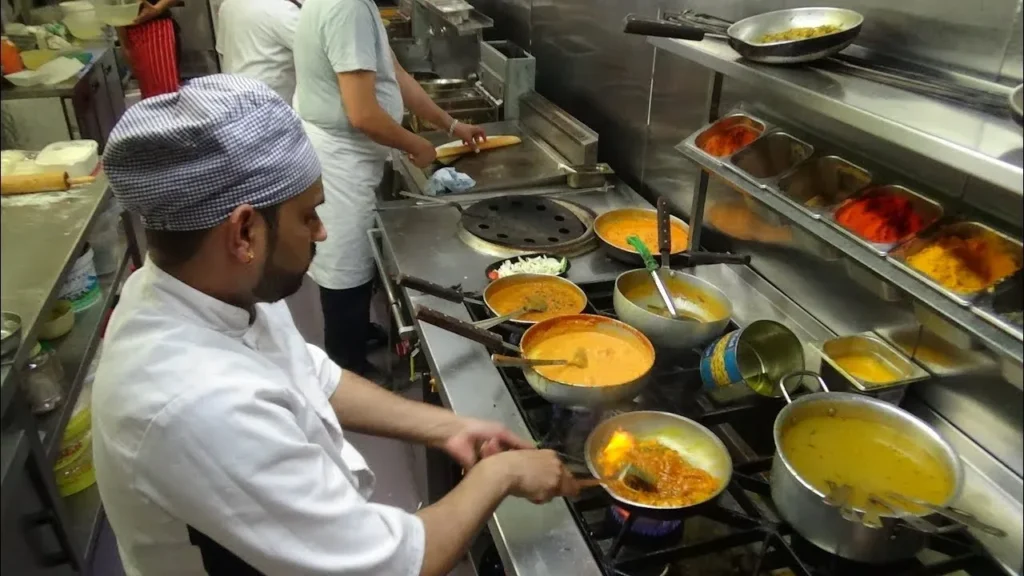
Not every entrepreneurial journey begins with a business plan and a pitch deck. Arulsujanesh trained as a civil engineer and never imagined he’d end up running a restaurant — but after a difficult family split and a string of financial setbacks, he opened Annapoorna Mithai, a pure-vegetarian eatery in Madurai. The early years were brutal: he was targeted by scams, buried under mounting debt, and eventually had to mortgage his mother’s jewelry just to keep the business alive, with the bank even listing his Home for sale at one point. Then the pandemic hit, threatening to finish what the setbacks had started. Rajiv TalrejaRajiv Talreja
What makes his story resonate isn’t the crisis — it’s what came after it. Countless entrepreneur profiles gloss over the year before the breakthrough, focusing instead on the eventual scale and recognition. But it’s typically the unglamorous grind — renegotiating with creditors, rebuilding trust with suppliers, slowly winning back customers one meal at a time — that decides whether a small business survives. Arulsujanesh’s restaurant did survive, and his journey has since become a reference point in entrepreneurship circles for a simple reason: it shows that resilience, not capital, is often the deciding factor between a business that folds and one that finds its footing.
His story sits alongside a broader shift in how India talks About entrepreneurship in 2026. A wave of consumer-tech founders — from ride-hailing-turned-AI entrepreneur Bhavish Aggarwal to InShorts founder Azhar Iqubal, who pivoted his content platform expertise toward AI-native ventures — are increasingly building ecosystems rather than single products, reflecting a broader move from hype-driven scaling to sustainable, fundamentals-first growth. Whether it’s a single restaurant in Madurai or a multi-billion-dollar AI ecosystem, the throughline is the same: adaptability and persistence outlast any single stroke of luck.